


SIA news
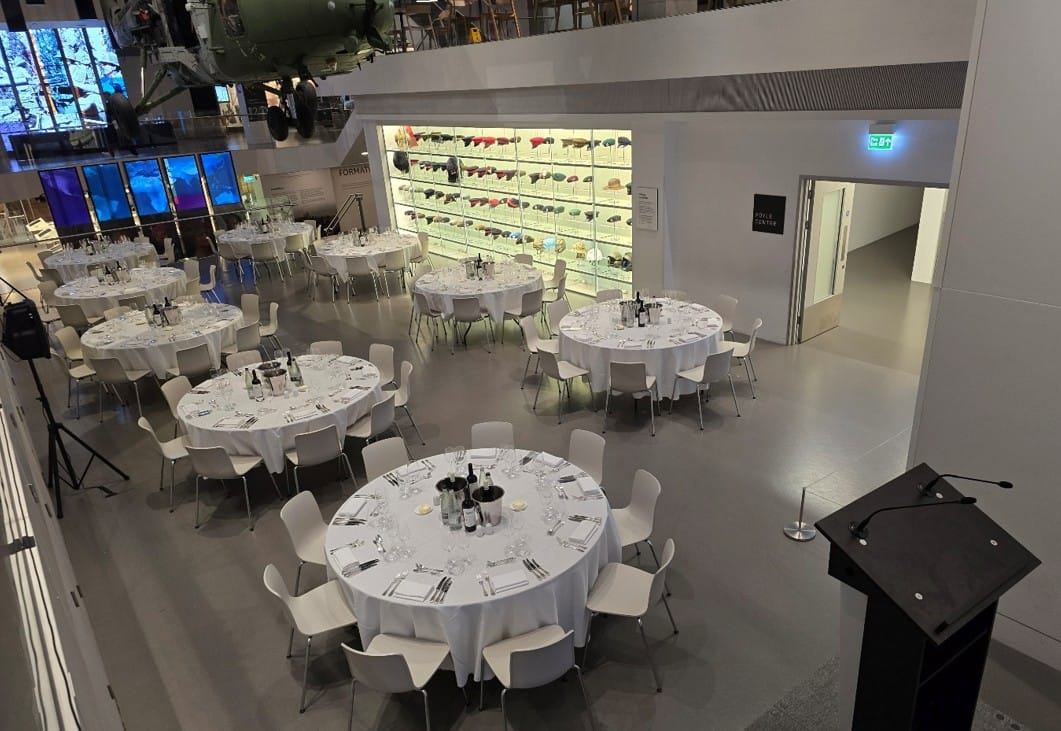
SIA Spring Dinner
A highly successful SIA Spring Dinner brought together 80 members and guests in a unique and engaging setting at the National Army Museum, in London, on March 12th. The evening was an occasion to achieve a record charitable outcome, raising £3,200 for 2Wish, demonstrating strong member commitment to meaningful causes, supported by both personal connections and company contributions. The initiative has already generated further momentum, with additional fundraising activities underway, reflecting sustained engagement beyond the event itself.
CHEMUK 2026
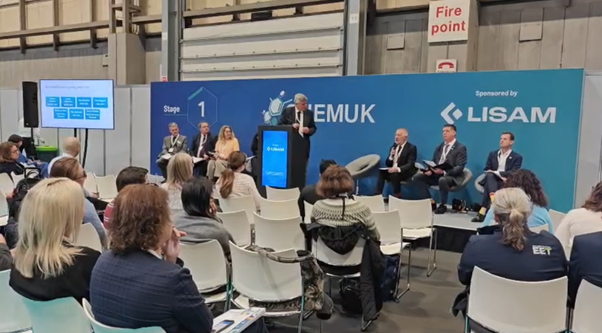
The ChemUK Expo took place at the National Exhibition Centre (NEC) in Birmingham on the 20th and 21st May. The SIA continues to be a trusted partner for the event organisers and exhibited as well as organising a panel session and participating in 2 others.
SIA Chief Executive Bill Atkinson participated in a chemical industry panel session “Beyond Invest 2035: What the UK Industrial Strategy Must Deliver for Chemicals” which is structured around “The Five Core Priorities for a Foundational Industry”, covering the following topic:
-
- Sector recognition – understanding that chemicals make products. All panellists sought more recognition for chemicals in the UK Government’s Industrial Strategy
- From Kilowatts to Chemicals: the importance of a sustainable and affordable energy supply for the sector
- Regulatory certainty – the need for more certainty, reduced administrative burden and alignment between UK and EU REACH
- Skills & people – future-aligned pipelines
- Bridging the Net Zero Gap: Technology, infrastructure and more collaboration across the chemicals value chain.
The Panellists were:
-
- Lorna Williams, CEO – Adhesives & Sealants Association for UK and Ireland (BASA)
- Tom Bowtell, Chief Executive Officer – British Coatings Federation (BCF)
- Tim Doggett, Chief Executive Officer – Chemical Business Association (CBA)
- Bill Atkinson – Chief Executive – Solvents Industry Association (SIA)
- David Wright, Director General – United Kingdom Lubricants Association (UKLA)
- Nishma Patel, Policy Director – Chemical Industries Association (CIA)
- Patrick Heskins, Chief Executive · British Aerosol Manufacturers’ Association (BAMA)
- Session moderator: Dr. Martin Stimpson – BASA
Safe and Solvent: Risks, Regulation, and Resilience in the European Solvents Industry (Hosted by the Solvents Industry Association)
The SIA hosted session took place on day 2 of the expo.
The point was made that the solvents sector is operating in one of the most challenging environments it has faced in decades. Global instability, rising energy costs, supply chain disruption, and an increasingly complex regulatory landscape all place pressure on companies striving to remain competitive, compliant, and sustainable. Yet despite these headwinds, the industry continues to adapt, innovate, and uphold its commitment to safety and responsible chemical management.
The panel of experts from across the industry discussed how the UK and European solvents industries are responding to these pressures while maintaining operational resilience. Several real-world examples and practical insights were offered, highlighting how companies are balancing regulatory demands, market volatility, and sustainability expectations.
The panellists for this session are:
-
- Richard Adams – Senior Chemical Regulatory Consultant, H2 Compliance
- Richard Ellis – Business Development Manager, EXSOLUTIONS
- Sean Makin – Regional Sales Manager, Newton-Gale
- Karl Shone – Senior Business Development Manager, Brenntag
- Bill Atkinson – Chief Executive, SIA
Emergency Action Codes in the United Kingdom: A Brief History and Overview
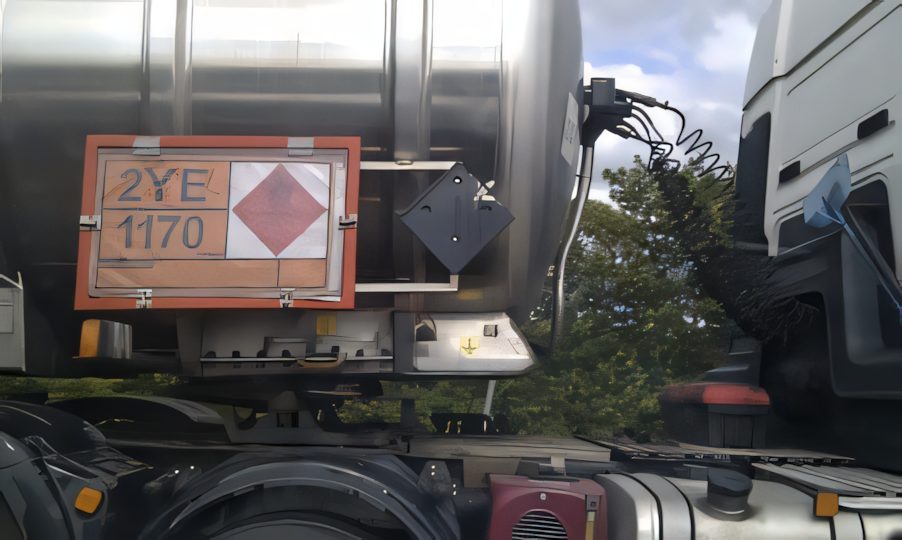
SIA continues to play an active role in promoting safety and knowledge across the sector, with Chief Executive Bill Atkinson recently presenting on the history and purpose of Emergency Action Codes (EACs) at the BADGP AGM (Annual General Meeting of the British Association of Dangerous Goods Professionals). His overview highlighted how EACs are a distinctive feature of the UK system for transporting dangerous goods, providing practical, rapid-response guidance for emergency services beyond the standard international ADR framework (Agreement concerning the International Carriage of Dangerous Goods by Road (ADR).
The presentation traced the origins of EACs back to a fatal accident in 1972, which exposed the need for clearer on-site emergency information and ultimately led to major safety improvements, including the creation of the EAC system itself. Designed to support first responders in high-risk situations, EACs offer immediate guidance on firefighting, containment, and protective measures, helping ensure safe decision-making even when detailed information is not yet available.
Despite increasing alignment with European regulations, the UK is expected to retain the EAC system due to its operational effectiveness and its integration into emergency response practices, demonstrating its continued value in preventing incidents and improving safety outcomes across the transport of hazardous goods.