Cefic news
Closure study
A new report shows that chemical plant closures in Europe surged sixfold since 2022, reaching a cumulative 37 Mt of capacity – or around 9% of European production capacity – and resulting in the loss of 20,000 direct jobs in the chemical industry. The report also reveals a sharp slowdown in new investments, highlighting growing concerns over the competitiveness and long-term viability of Europe’s chemical sector.
“It’s no longer a question of being five minutes before or after twelve. The sector is under severe stress and breaking. The rate of closures has doubled in a year, and even worse, annual investments are half and close to zero. On both sides, the speed is accelerating, not slowing. We need decisive action this year, with impact at factory floor level.”
This report underlines the human and economic impact of the ongoing wave of closures. In addition to the 20,000 direct job losses, an estimated 89,000 indirect jobs are at risk across Europe, reflecting the chemical industry’s central role in regional value chains.
At the same time, new investment has slowed dramatically. Announced annual investment capacity fell from 2.7 Mt in 2022 to just 0.3 Mt year-to-date in 2025, amounting to approximately 7 Mt in total over 2022–2025. This drop reflects a shift from broad investment across multiple innovation pathways – like electrification, hydrogen feedstocks, and circular plastics – to barely one pilot initiative.
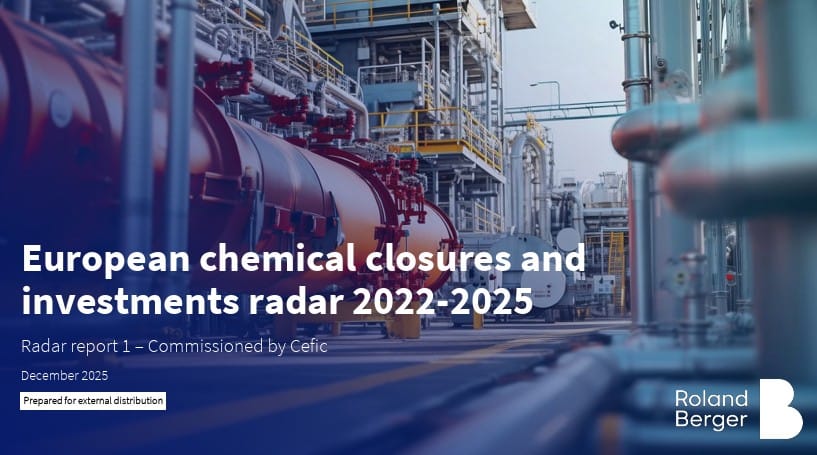
Access the Cefic report – commissioned to Roland Berger: European Chemical Closures & Investments Radar 2022-2025 – Cefic
Antwerp III
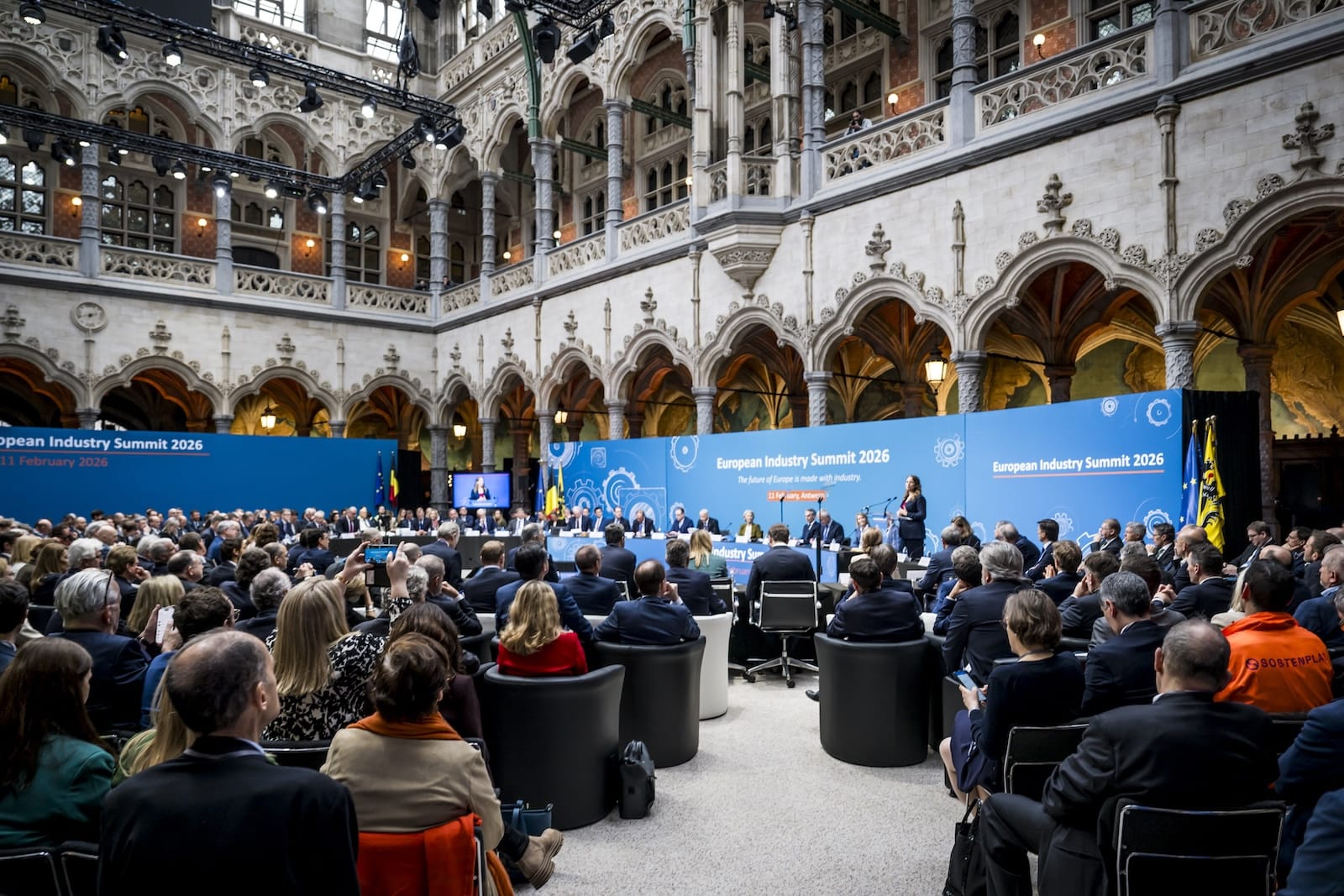
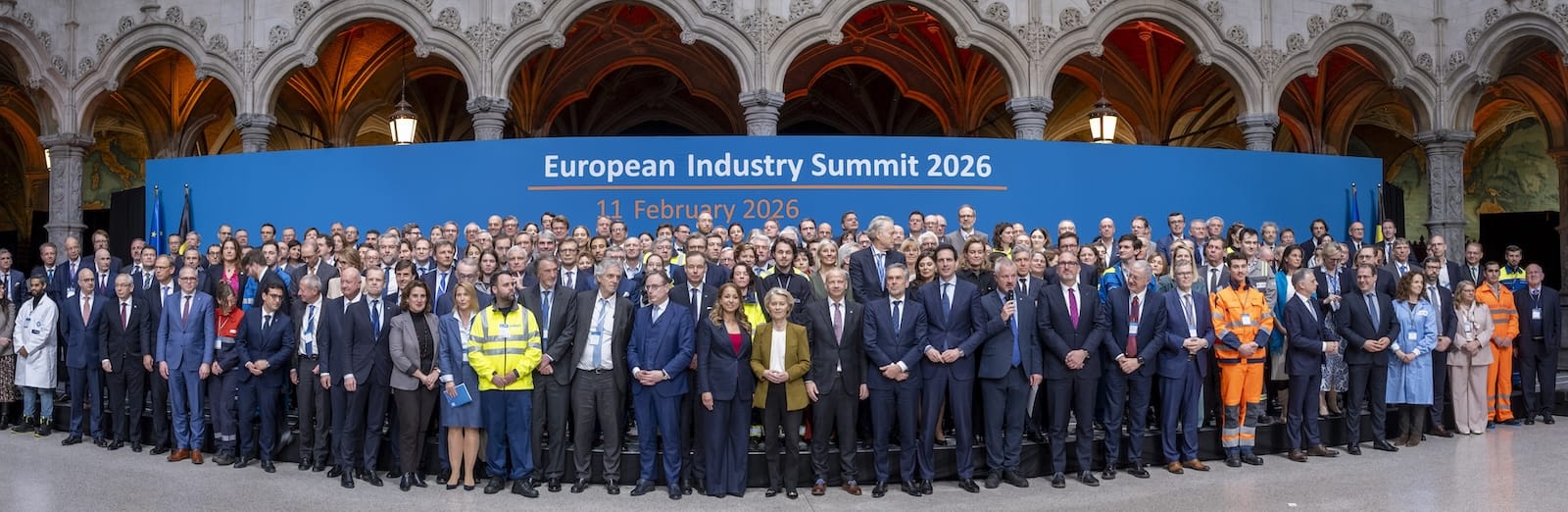
The European Industry Summit took place on 11th February 2026, followed by the informal EU leaders’ retreat in Alden Biesen on 12th February.
The Antwerp Declaration Community – representing more than 1,300 companies, associations and trade unions across Europe – called on EU Heads of State and Government to take urgent and bold action to restore Europe’s industrial competitiveness, safeguard high-quality jobs for European workers, and turn the Clean Industrial Deal into outcomes felt on factory floors in 2026.
The call was made at the European Industry Summit, which brought together over 500 business leaders, 30 factory workers, and European Commission President Ursula von der Leyen, under the auspices of Belgian Prime Minister Bart De Wever. Senior EU leaders also joined including German Chancellor Friedrich Merz, French President Emmanuel Macron, Dutch Prime Minister Dick Schoof, Austrian Chancellor Christian Stocker, Executive Vice Presidents Teresa Ribera and Stéphane Séjourné, Commissioner Wopke Hoekstra, and Vice-President of the European Parliament Martin Hojsík, underscoring the political urgency of Europe’s industrial crisis.