Sector news
OSPA General Assembly
In 2025, OSPA’s activities were shaped by increasing regulatory requirements and tightening resources. Yannick Schoenauer highlighted the importance of teamwork and solidarity within OSPA and ESIG to address upcoming challenges and represent industry interests at the European level.
Technical Highlights:
-
- Ethanol: The Biocidal Products Regulation foresees a possible CMR classification, which would have significant implications for supply chains and related substances. A decision is expected by the end of 2025.
- Drug Precursor Regulation: No further restrictions are currently planned for OSPA-relevant substances such as MEK and acetone, but developments are being closely monitored.
- Detergents Regulation: New labelling requirements and a Digital Product Passport for consumer products are forthcoming. The burden for B2B products will be lower.
- 1,4-Dioxane: Following the withdrawal of the German REACH restriction proposal, future regulation is expected via the Industrial Emissions Directive.
- Neurotoxicants: ECHA published a list of potential neurotoxicants, including many solvents. OSPA and HSPA will jointly address this topic.
Substance-Specific Issues:
For numerous substances such as IPA, MEK, MIBK, MIBC, n-propanol, butanol, and glycol ethers, data gap analyses, new studies, and dossier updates were conducted. Collaboration between companies and consortia remains key to efficiently meeting regulatory requirements.
Organisation:
Vincent Porcelli (INEOS Oxide) was confirmed as OSPA Chair for 2026/2027, and Zatoon Begum (Dow) was elected as Chair of the OSPA Technical Committee. The next General Assembly will take place on 27th October 2026 in Brussels.
OSPA Glycol Ethers General Assembly
In February 2025, the new ESIG strategy was adopted and will replace the previous OSPA GE strategy, providing a unified, overarching framework for the entire group.
Toxicology & Substance Topics:
Literature reviews on glycol ethers continue to be conducted by BIBRA, with quarterly database searches and rotating review responsibilities among members. In 2025, the main focus was on neurotoxicity, particularly due to new Swiss studies on P-series glycol ethers. Initial results suggest possible effects, but further detailed evaluation is needed. The group is also monitoring ECHA’s list of potential neurotoxicants and continuously reviewing new publications.
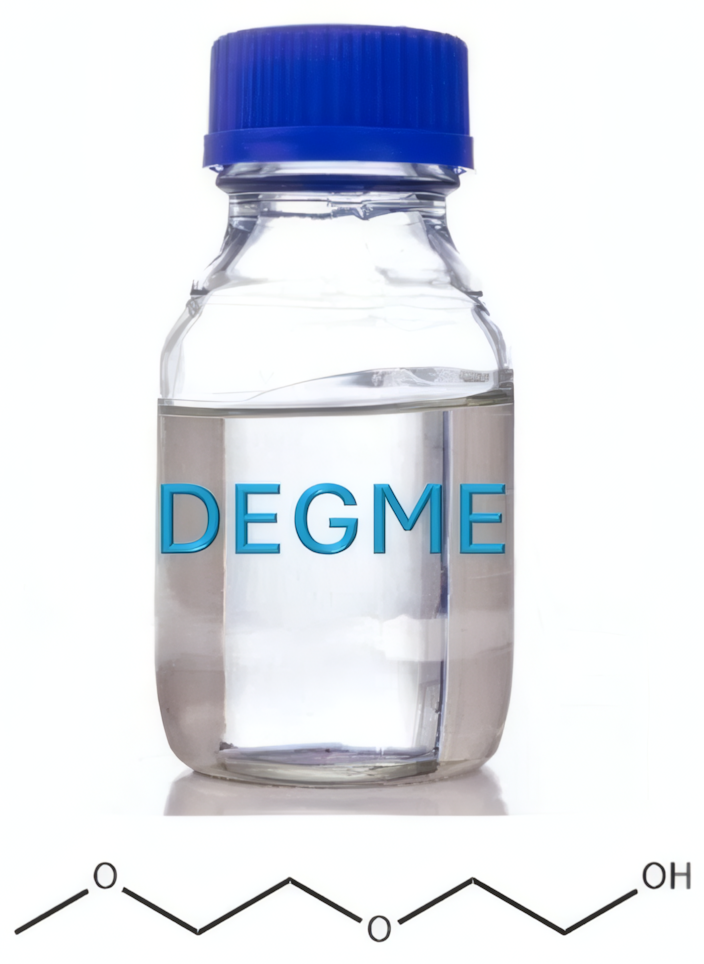
For EGBE, the UK has adopted the EU classification (Acute Toxicity Category 3, inhalation). The German authority BAuA has requested additional reports on inhalation toxicity for DEGBE, and a revision of the MAK value is under consideration. DEGME has been classified as reprotoxic category 1 since December 2023; a user survey is ongoing.
For REACH, new requirements for environmental categories and QSAR models for glycol ethers were discussed. Testing proposals for chronic aquatic toxicity are pending, and feedback from ECHA is awaited.
Organisation:
For 2026, updating the Glycol Ether website and continuing literature research are planned.
Özgür Katak (Dow) will remain OSPA GE Chair for 2026/2027, and Aurélie Carlier (INEOS Oxide) continues as Technical Committee Chair. The next General Assembly will take place on 27th October 2026 in Brussels.
OSPA GE Literature search
The OSPA Glycol Ethers Toxicology Group has followed a well-established practice for many years: every three months, the latest scientific literature on glycol ethers is systematically reviewed. Bibra Toxicology Advice & Consulting conducts the search and filters abstracts containing relevant keywords. The results are shared with members and analyzed on a rotating basis by one of the companies.
By the third quarter of 2025, 19 articles had been identified, including 10 clear hits focusing on substances such as DEGBE, EGPhE, PGBE, PGEE, PGME, and PGPE. Depending on relevance, full-text access may be purchased—so far, three articles have been acquired. The insights gained are then discussed within the group to define potential actions or follow-up steps.
For the fourth quarter, Shell will provide toxicology expertise to review the new literature set. Initial assessments indicate no current concerns regarding endocrine disruptors (ED). A more detailed discussion is scheduled for the December meeting.

DEGME use survey
Since December 2023, 2-(2-Methoxyethoxy)ethanol (DEGME) has been classified as Reprotoxic Category 1 with a specific concentration limit of 3%. To gather comprehensive information on current applications, exposure scenarios, and risk management measures, the OSPA Glycol Ethers Toxicology Group launched an extensive survey in 2024, commissioning Penman Consulting to conduct the work.
The digital survey, which began in March 2025 and concluded in October 2025, was managed via the Active Steward™ platform, utilizing its Exposure/Use modules and “Campaign” functionality to systematically collect and organize data. Upon completion, all responses will be anonymized to ensure confidentiality. All OSPA GE members have submitted their feedback.
Despite unexpectedly low participation from downstream users, it was decided to close the data collection exercise on DEGME uses. A detailed report including anonymized statistics is expected from Penman Consulting by the end of 2025 and will be shared with the members.